Kitchens Ready for Health Inspections
Commercial Kitchen Cleaning in Platteville for food service operations facing strict compliance cycles
Platteville's food service sector—campus dining facilities and Main Street restaurants—faces strict health inspection cycles year-round, and Dodgeville industrial kitchens operate under similar compliance pressure that requires thorough, documented cleaning. Health inspectors check specific areas in a predictable sequence: hood systems and filters first, then grease traps, then tile grout and floor drains where grease and organic buildup hide. Green Star Cleaning follows a hood-to-floor cleaning sequence that addresses grease traps, hood filters, and tile grout in one visit, covering exactly what inspectors actually check and reducing downtime by consolidating work instead of spreading it across multiple service calls.
The sequence matters because grease migrates downward as it's cleaned—starting with hoods and filters prevents recontamination of floors and drains that would need to be cleaned again. Most commercial kitchens can handle daily surface cleaning and equipment wiping, but the deep degreasing of hood interiors, filter cleaning, and grout scrubbing require dedicated time and commercial-grade degreasers that aren't practical during service hours.
Schedule a pre-inspection cleaning to address hood systems, grease traps, and tile grout before your next health department visit.
How Full-Scope Kitchen Cleaning Works
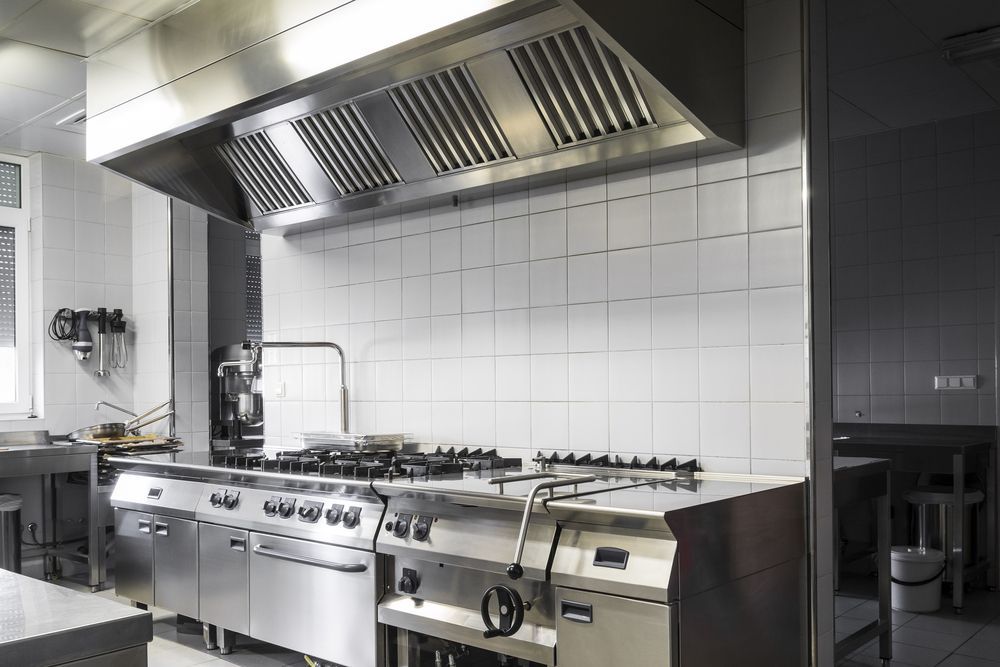
The cleaning process starts with hood interiors and filters where grease vapor condenses and hardens, then moves to grease traps and floor drains where liquid grease accumulates, and finishes with tile grout and baseboards where splatter and foot traffic leave residue that standard mopping doesn't remove. Each area requires different degreasers and tools—alkaline cleaners for hoods, enzymatic treatments for drains, and acid-based solutions for mineral buildup in grout.
After cleaning, hood filters pull air properly again instead of restricting ventilation, grease traps drain without backup or odor, and tile grout returns to its original color instead of showing the dark staining that health inspectors flag immediately. The kitchen passes the specific checklist items inspectors use during compliance visits, and you have documentation that deep cleaning occurred on a defined schedule.
Full-scope kitchen cleaning is scheduled monthly or quarterly depending on kitchen volume and menu type, with high-volume operations requiring more frequent service to prevent grease buildup that violates health codes. Green Star Cleaning works with food service managers to schedule cleaning during closed hours or slow periods to avoid disrupting meal service.
What Property Owners Usually Ask
Commercial kitchen cleaning in the Tri-State area focuses on health code compliance and preventing the grease buildup that causes ventilation failures and inspection violations.
What does hood-to-floor sequence cleaning include?
The sequence covers hood interiors and exhaust filters first, then grease traps and floor drains, then tile grout and baseboards—cleaning from top to bottom prevents recontamination of areas already cleaned.
How does grease buildup in hood systems affect kitchen safety in Platteville restaurants?
Grease buildup in hoods and filters restricts ventilation, traps heat and smoke in the kitchen, and creates a fire hazard when grease residue ignites from cooking heat or open flames.
When should food service operations schedule deep kitchen cleaning?
Deep cleaning is typically scheduled monthly or quarterly depending on kitchen volume, with additional service before health inspections or after high-volume periods when grease accumulates faster than daily cleaning can manage.
What do health inspectors look for during commercial kitchen inspections?
Inspectors check hood interiors and filters for grease buildup, grease traps for proper function and cleanliness, tile grout for staining and mold, and floor drains for blockages and odor.
How long does full-scope kitchen cleaning take?
Most commercial kitchens are cleaned within four to six hours depending on size and grease accumulation, with work scheduled during closed hours to avoid disrupting food service operations.
Green Star Cleaning handles commercial kitchen cleaning for food service operations across Platteville and the Tri-State area, with scheduling that minimizes downtime and a process designed around what health inspectors actually check. Arrange a site visit to evaluate your kitchen's current condition and establish a cleaning schedule that keeps your operation inspection-ready year-round.